How to Save Money on Gym Wear and Activewear in India

Quick Answer
Save money on gym wear by buying only the essentials first and adding more pieces once you know what your workout routine requires. Compare products by cost per wear, not just the upfront price, and avoid paying extra for brand names or technical features you are unlikely to use. Shop clearance and sale sections instead of new arrivals, and compare the final payable price rather than the advertised discount. Multipacks can offer better value for basics you already need, while versatile pieces reduce the need for separate outfits for every activity. Check the size chart before ordering to avoid wasted purchases, take proper care of your activewear to extend its life, and when you do need to buy, combine sale prices, eligible coupons and cashback through CashKaro for additional savings.
Building a gym wardrobe can become more expensive than expected, especially when purchases are made gradually without a clear plan.
A few extra tees, another pair of leggings, a replacement bought in a hurry, or a deal that seemed too good to skip can add up over time. The good news is that you do not need to spend heavily to put together a practical activewear wardrobe.
This guide covers eight simple ways to save money on gymwear and activewear in India.
Tips to Save Money on Gym Wear
Own Fewer Pieces and Make Each One Work Harder
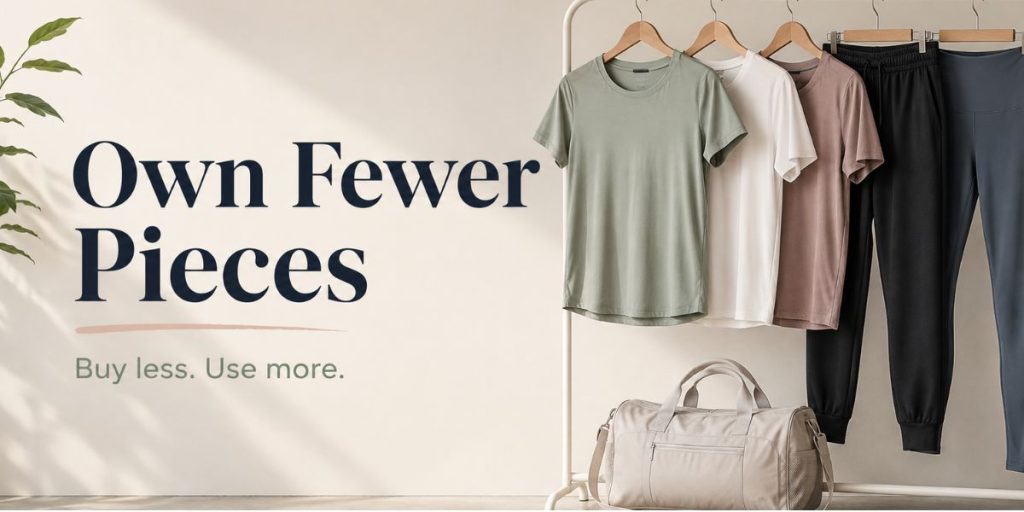
A lot of money spent on activewear is wasted before any discount even comes into play, simply because people buy more than they actually use.
New gym-goers often purchase several tees, leggings, shorts, jackets and accessories at once, only to realise later that some of them do not suit their routine. Others build separate outfits for walking, gym sessions, yoga and travel, even though the same few versatile pieces could cover most of these activities.
Start with enough for your first few workouts: If you already own comfortable tees, track pants or shorts, use them initially. After a few weeks, you will have a better idea of whether you train three times a week or six, whether you prefer strength training, cardio, yoga or running, and which pieces genuinely need upgrading.
Buy according to how often you train: Someone exercising three times a week may manage comfortably with two or three workout outfits, especially if laundry is done frequently. Buying seven sets simply because they are marketed as a complete gym wardrobe can leave money tied up in clothes that are rarely worn.
Choose pieces that work across several activities: A breathable tee can work for the gym, morning walks and everyday wear. Good joggers can cover workouts, travel and casual use, while leggings may work for strength training, yoga and errands. Neutral colours such as black, navy and grey are also easier to mix and match, helping you create more combinations from fewer garments.
Think twice about matching sets: A coordinated top-and-bottom set may look appealing, but if you already own several suitable tops, buying only the leggings is usually the more economical choice.
Add new pieces only when you identify a real gap: Buy more because your current rotation genuinely falls short, not simply because a new collection has launched.
Spend first on functional essentials such as suitable footwear or a supportive sports bra. Everything else can be added gradually. For beginners, Decathlon is a practical place to start because it offers affordable options across multiple sports, helping you understand what your routine actually requires before spending more on specialised gear.
Understand Where Price and Value Separate
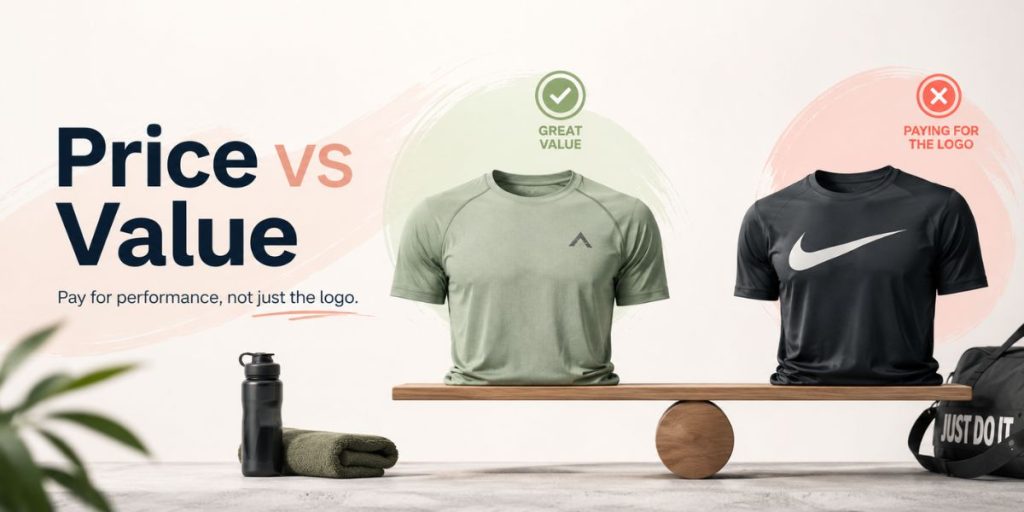
The cheapest garment on the page is not always the cheapest to own, while the most expensive option is not automatically worth the extra money. Both extremes can lead to unnecessary spending.
Cheap can become expensive: Suppose one workout tee costs ₹400 but loses its shape within a few months, while another costs ₹700 and remains comfortable for much longer. The second may offer a lower cost per wear despite the higher upfront price. This matters particularly for gymwear, which is exposed to frequent washing, sweat, stretching and friction.
Expensive can sometimes mean paying for the logo: A significant part of activewear pricing may come from branding and design rather than anything the average gym-goer genuinely needs. For everyday tees, shorts, joggers and basic leggings, compare affordable Indian and value-focused brands with premium international alternatives. If the fabric composition, comfort and construction are similar, the higher price may not translate into a better workout experience.
Focus on durability rather than either extreme: Check stitching, fabric thickness, stretch recovery and recent reviews before buying pieces you expect to wear every week.
Where higher spending can make sense: Running shoes, high-impact sports bras, specialist cycling clothing and properly designed compression wear may justify a higher price because fit, support and construction directly affect comfort and performance.
Where it usually does not: Heavy insulation, thermal linings, thick fleece and wind-resistant layers can be useful in specific climates but are largely unnecessary inside most Indian gyms. If you are unlikely to use a feature during your regular workouts, there is little reason to pay extra for it.
For high-sweat workouts, quick-drying synthetic or blended fabrics can also offer better value than ordinary cotton because they generally retain their shape and remain comfortable for longer. Cotton can still work well for low-intensity exercise.
STRCH and Hummel fall into this middle range for performance clothing and also offer some of the highest cashback rates in the category. Uniqlo is another option worth comparing, particularly for its AIRism range, which focuses on breathability and lightness rather than cold-weather technology.
Buy at the Right Time and Check the Real Price
You rarely need to pay the launch price for gymwear. Activewear styles and colours change frequently, so retailers regularly discount older collections even though the garments themselves are still new and fully usable.
Check clearance before new arrivals: Previous-season colours, discontinued prints and excess stock are often available at lower prices without any meaningful difference in performance. Last season’s black or printed training tee works exactly the same once you are in the gym.
Wait when the purchase is not urgent: If your current gymwear is still usable, add the item to your wishlist and wait for the price to drop rather than buying immediately.
Compare the final price, not the discount percentage: A ₹2,500 item at 60% off costs ₹1,000. A suitable ₹799 alternative with a smaller discount may come to around ₹719, making it ₹281 cheaper. A larger advertised discount does not always mean a lower final price.
Plan replacements together: Instead of making several small full-price purchases throughout the year, try to group planned replacements around stronger sale periods.
For deeper clearance, AJIO runs events with discounts reaching up to 90%, Myntra holds End of Season Sale and EORS events through the year, while Flipkart typically offers some of its strongest discounts during Big Billion Days.
Use Multipacks for Basics You Already Need
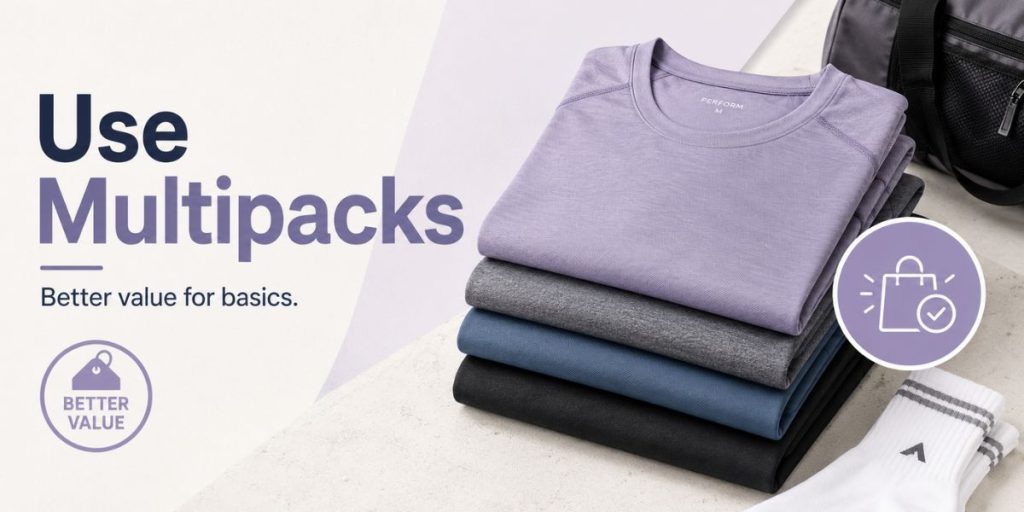
Multipacks can lower the cost per piece when you are buying items you already know you will use regularly.
Workout tees, socks and basic shorts are good examples. If you train several times a week, you may eventually need multiple pieces anyway, so buying them together can be cheaper than purchasing each one separately.
Always calculate the per-item cost before deciding:
- One tee at ₹599 costs ₹599 per piece
- A pack of three at ₹1,499 costs about ₹500 per piece
If you genuinely need all three, the multipack saves around ₹298.
The key condition is that you need those items anyway: A lower price per piece is only a saving if every garment will actually be used.
Multipacks work best for repeat-use basics: They are less suitable for experimental styles or specialised clothing you have never tried before. If you are unsure about a product, buy one first before committing to three.
Amazon Clothing is a practical place to compare these options, as technical tees, socks and other basics are widely available in multipacks and material composition is usually listed clearly enough to compare before ordering.
Do Not Buy Things You Will Not Wear
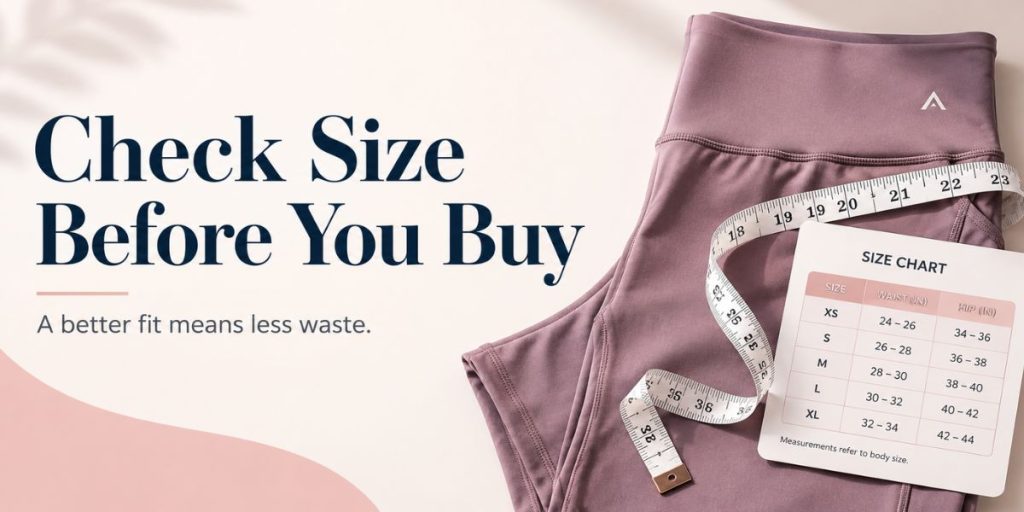
Returns, replacements and unused clothes are hidden costs of shopping for activewear online. A pair of leggings bought at 50% off is still a poor deal if it is uncomfortable, becomes transparent when stretched, or is the wrong size and ends up unused.
Check the brand’s own size chart: Do not assume your size will be identical across every retailer. Measure your waist, hips and chest where relevant, and compare those measurements with the listing before ordering. This matters most for compression wear, sports bras and fitted leggings, where small sizing differences can determine whether you use the product regularly.
Read reviews for problems that affect lifespan or usability: Look for repeated comments about:
- Pilling after washing
- Fabric becoming transparent
- Waistbands rolling down
- Seams opening
- Shrinkage
- Colour bleeding
- Inconsistent sizing
You do not need to read dozens of reviews. Focus on recurring patterns in recent feedback.
Check the return policy before buying from clearance sections or unfamiliar sellers: Heavily discounted items can sometimes come with more restrictive return or exchange conditions.
The goal is simple: avoid spending twice because the first purchase turned out to be unsuitable.
Make What You Already Own Last Longer
The longer your existing activewear stays usable, the longer you can delay spending on replacements. Since gymwear is washed more frequently than most everyday clothing, basic care can make a noticeable difference.
Wash in cold or cool water: Excessive heat can gradually weaken elastic fibres.
Skip fabric softener: It can leave residue on synthetic fabrics and reduce the moisture-wicking performance you paid for.
Dry in the shade where possible: Strong direct sunlight can fade colours and speed up the deterioration of elastic fabrics, which is especially relevant in India where line drying in full sun is common.
Avoid wringing: When hand-washing, gently press or squeeze out excess water rather than twisting the garment, as wringing can permanently stretch elastic fibres.
Do not leave sweaty gymwear sitting in a bag: Air it out or wash it promptly, since persistent odour is one of the reasons otherwise usable activewear gets replaced early.
These habits cost little or nothing and can reduce how often you need to shop for replacements.
Stack the Savings Without Inflating Your Cart

When something genuinely needs replacing, look for more than one saving opportunity on the same order. A sale price, an eligible coupon and cashback can all help reduce the effective cost.
| Step | Amount |
| Order value | ₹2,000 |
| Sale price | ₹1,500 |
| After a ₹150 coupon | ₹1,350 |
| After 30% cashback through CashKaro | ₹945 |
That brings the effective saving to ₹1,055, or 53%.
Cashback works differently from a coupon. A coupon reduces the amount you pay at checkout, while cashback returns a share of your eligible spending after the order is tracked and confirmed. This is why the two can often be combined.
| Store | Best For | Cashback |
| STRCH | Performance activewear and training clothing | Up to 30% |
| Hummel | Sportswear, footwear and complete training outfits | Flat 25% |
| AJIO | Large fashion selection and clearance events | Up to 7% |
| Flipkart | Budget sportswear and sale-season deals | Up to 6.50% |
| Myntra | HRX, Puma and other mainstream sports brands | Up to 6% |
| Amazon Clothing | Multipacks and basic technical tees | Up to 5% |
| Decathlon | Beginners and affordable sport-specific clothing | Up to 2.5% for new users |
| Uniqlo | AIRism basics for heat and everyday movement | Flat 1.20% |
Check the latest terms before purchasing, as cashback rates, eligible categories and coupon conditions can change.
Do not spend more simply to unlock a discount: If a coupon requires a ₹3,000 cart but you only need ₹2,000 worth of gymwear, adding another ₹1,000 of unnecessary products to save ₹300 still leaves you ₹700 worse off. The same logic applies to multipacks and buy-two-get-one offers.
The best discount is one applied to something you were already planning to buy.
Conclusion
Saving money on gym wear does not have to mean constantly chasing discounts or buying whatever is on sale. Start with what you already own, wait until your workout routine becomes consistent, and then buy only the pieces you genuinely need. Choose the right size, focus on durability, and take care of your activewear so it lasts longer.
In the long run, buying fewer suitable pieces and using them well can save more than repeatedly shopping during sales for items you may not need.
Frequently Asked Questions
How can I save money on activewear in India?
Compare fabric and cost per wear, shop clearance sales, buy only for your workout needs, and stack eligible coupons with cashback.
What fabric is best for gym wear?
Polyester or nylon blended with elastane is commonly used because it provides stretch, moisture management and better freedom of movement.
Is expensive activewear worth the money?
Not always; basic tees, leggings and shorts can offer similar fabric performance at lower prices, while specialised compression or technical gear may justify spending more.
How much elastane should activewear have?
The right amount depends on the garment and activity, but higher-elastane blends are generally used where greater stretch and recovery are required.
How do I choose the right activewear size?
Measure yourself and compare your measurements with the individual brand’s size chart instead of relying only on S, M or L.